
How it works
From First Call to a Quiet House
Six steps, in the same order every time. Trap first, seal once activity drops, and finish only when five days pass with no new signs. No guessing, no bait-and-pray.
The six steps
- 1. Phone triage2 to 5 minutes
- 2. InspectionAbout 1 hour
- 3. Plan and priceBefore any work
- 4. Trapping1 to 2 weeks
- 5. Sealing1 to 2 days
- 6. Confirm and clean5 quiet days
- Rodents Only
- Licensed Texas Pros
- No Contracts, Ever
- Photo Report on Every Job
How do exterminators get rid of rats and mice?
Good ones inspect first, trap the rodents inside with snap traps along their runways, seal every entry point with chew-proof material once activity drops, and keep checking until there’s no new activity. Poison inside the house and bait-only visits are shortcuts that tend to bring rodents back.
The six steps: what actually happens at your house
1. Phone triage: we listen first
You tell us what you’re hearing or finding, where and what time. Overhead scratching after dark points to roof rats. Droppings in a kitchen drawer point to mice. Holes along the slab point to Norway rats.
We also ask about kids, pets, attic access and whether it’s a rental, so the technician shows up ready. A photo of the droppings next to a coin helps a lot.
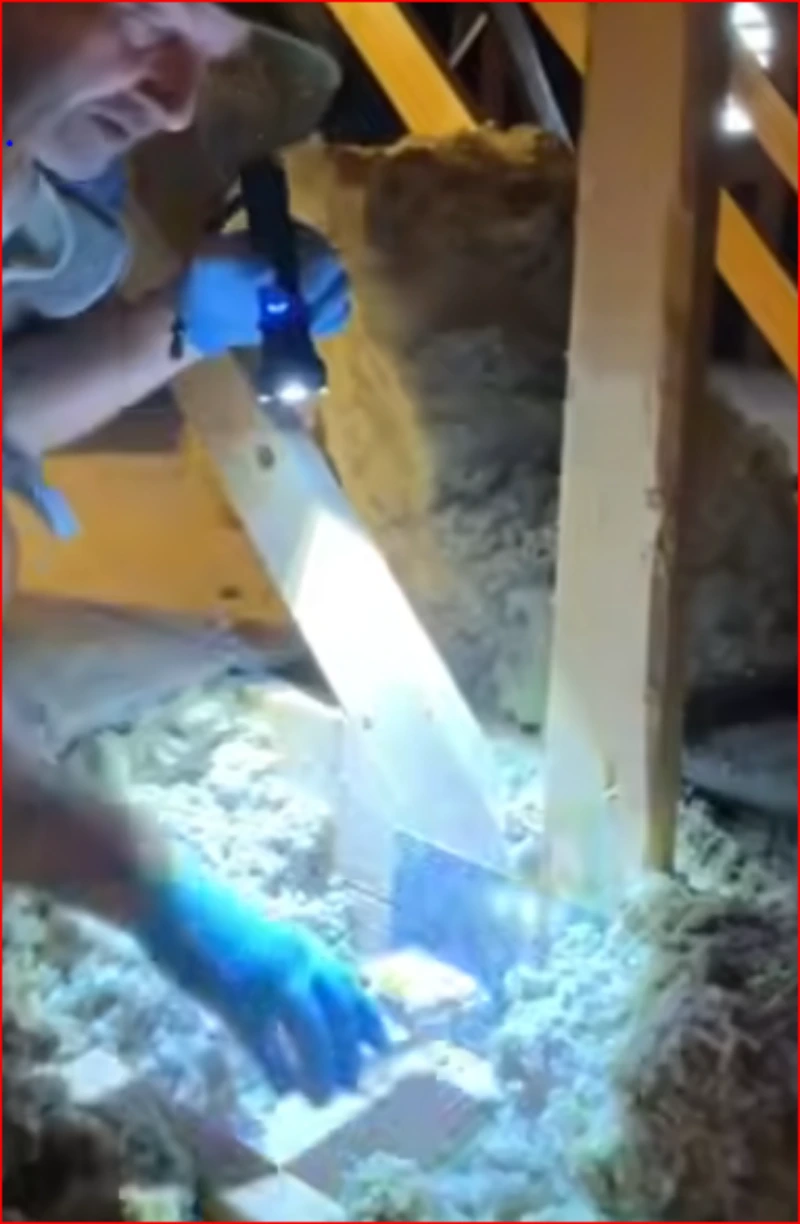
2. Inspection: every entry point photographed
The technician checks the roofline, roof returns, soffits and gable vents, the attic, AC line set, plumbing stacks, dryer vent, brick weep holes, garage seals, foundation and kitchen.
Each entry point and each sign of activity gets photographed. Mesquite homes built from the 1950s through the 1980s usually show gaps at the fascia and roof returns; newer homes in 75181 tend to have small utility and framing gaps.
3. Written plan and price
You see the photos and get a plan in plain language: trapping, sealing and any cleanup, each priced on its own line. You decide. No contract and no pressure to sign on the spot.
4. Trapping: remove what’s inside
Snap traps go along the runways where we found droppings and rub marks: attic rafters, wall voids, behind appliances, along garage walls. Traps sit flush to the wall with the trigger facing it, where rodents run.
Rats are wary of new objects, so traps may sit unset for a night or two first. Mice are curious and usually go right to them. No loose poison goes inside your home.
5. Sealing: close every gap
Once catches drop, entry points are sealed with quarter-inch hardware cloth, metal flashing, copper mesh and sealant, plus weep-hole screens, door sweeps and garage seals. Texas A&M AgriLife’s standard is to seal any opening over a quarter inch.
If rodents are still inside, the last main exit gets a one-way door so they can leave but not return. Then it’s sealed too.
6. Confirm, clean and document
We keep checking until five days in a row pass with no catches, no fresh droppings and no new gnawing. Then droppings are cleaned up the CDC way, wet and wiped, never swept or vacuumed. Heavily soiled insulation is flagged for attic cleanup.
You get a final photo report: every entry point, before and after.
Why this order matters: what happens when steps get skipped
No inspection
Traps go in the wrong places and the real entry points never get found.
Trapping skipped
Sealing a house with rodents inside traps them in. They chew new holes, often through drywall.
Sealing skipped
The rodents inside get caught, then new ones walk in through the same gaps within weeks.
Foam instead of metal
Rodents chew through foam, and the gap is back by next season.
No confirmation
One quiet night gets called a win, and the rest of the group keeps breeding.
No photo report
No way to know what was done, and nothing to show a landlord, buyer or insurer.
Our process vs a monthly bait plan
Monthly bait plan
- About $50 a month in DFW, plus a start-up fee
- Bait stations outside, serviced on a schedule
- Rodents may die in walls if they get in
- Gaps usually stay open unless sealing is added
- Ongoing cost with no end date
Trap, seal and confirm
- One-time job priced up front
- Snap traps inside, no loose poison
- Every entry point sealed with metal and mesh
- Defined finish line: five quiet days
- Photo report you keep
A monthly plan can make sense after sealing, for homes backing onto fields or creek greenbelts. It isn’t a fix for rats already in the attic. Prices on rodent control cost.
Process questions
How long does the whole process take?
Most Mesquite homes go from first call to finished in two to four weeks: one to two weeks of trapping, a day or two of sealing, then checks until five days pass with no new activity.
Do I need to be home for every visit?
For the inspection, yes, or someone who can open the attic and garage. Follow-up trap checks can often be done with a short window you agree to. For rentals we coordinate with your tenant.
Why wait for five quiet days before calling it done?
Because one empty trap doesn’t mean they’re gone. Five days in a row with no catches, no fresh droppings and no new gnawing is a reliable sign the group inside has been removed.
What happens if rodents come back after the job?
Call us. A return usually means a new gap opened or one was missed. The written warranty terms on your quote spell out what’s covered and for how long.
Do you use poison?
Not inside your home. Indoors we use snap traps. If outdoor bait is needed, it goes in locked, tamper-resistant stations away from kids and pets.
Ready to start?
Call or text with what you’re hearing or finding. Step one takes about five minutes.