
Roof rats & Norway rats
Rat Control & Removal in Mesquite, TX
Scratching overhead after dark, droppings in the garage, holes along the slab. Before you call a rat exterminator in Mesquite, know what works: we trap the rats inside, seal the gaps they use and check back until it’s quiet. Clear price first, no contract.
Rat control at a glance
- Typical timeline2 to 4 weeks
- Trapping with follow-ups$150 to $450
- Sealing entry points$400 to $2,500
- Most common rat hereRoof rat, in attics
- Done when5 days, no new signs
- Rodents Only
- Licensed Texas Pros
- No Contracts, Ever
- Photo Report on Every Job
What’s the fastest way to get rid of rats in a Mesquite house?
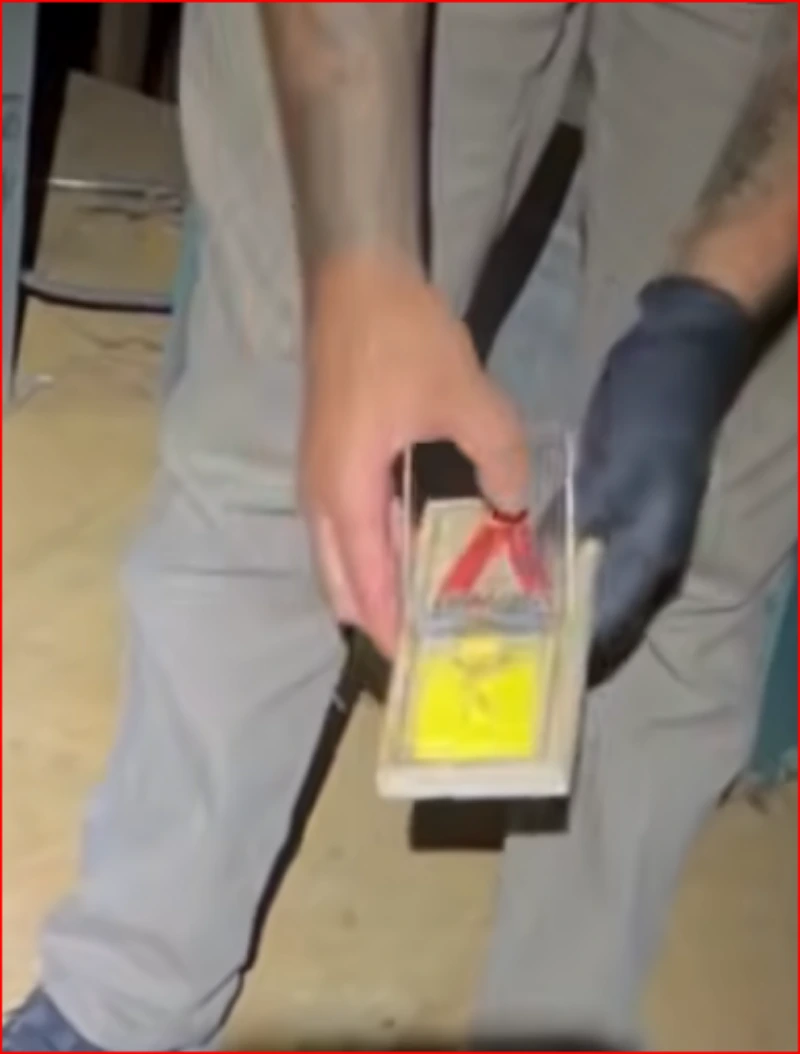
Set snap traps on the runways where you find droppings and rub marks, then seal every gap the rats use to get in. Traps alone catch the rats you have; sealing stops the next ones. In most Mesquite homes the gaps are at roof returns, soffits, the AC line opening and brick weep holes.
Rat control in Mesquite, not a 20-pest checklist
A lot of companies treat rats as one line on a long list. Here they’re the whole job. That matters because a rat problem in a 1960s ranch home off an alley in 75149 is a different job from one in a newer house backing onto open land in 75181.
Older homes have fascia that has pulled away, mortar that has cracked and garage seals that are worn flat. Newer homes have small framing and utility gaps the builder never closed. Both let rats in. The fix is the same idea: find every opening, get the rats out, then close it with something they can’t chew through.
The two rats behind most Mesquite calls
Texas A&M AgriLife Extension lists the roof rat and the Norway rat as the two rats that cause most trouble in Texas homes. Knowing which one you have tells us where to look first.
Roof rats: the attic climbers
- Slim build, big ears, tail longer than the body
- Thin, pointed droppings about ½ inch long
- Live in attics, soffits, trees and the tops of fences
- Get in high: roof returns, gable vents, gaps at the fascia
- Usually range about 100 to 150 feet from the nest
Norway rats: the ground burrowers
- Heavy, stocky build with a blunt nose
- Thicker, blunt droppings about ¾ inch long
- Dig burrows along slabs, fences, sheds and creek banks
- Get in low: weep holes, gaps under doors, foundation cracks
- Common near South Mesquite Creek and Duck Creek greenbelts
How do I know if it’s rats and not mice?
Look at the droppings and listen to the noise. Rat droppings are ½ to ¾ inch long; mouse droppings are about the size of a grain of rice. Rats sound heavier, like thumping or dragging. Mice sound like light, fast scratching.
| Sign | Rats | Mice |
|---|---|---|
| Droppings | ½ to ¾ inch | About ¼ inch, rice-sized |
| Noise | Heavier running, thumps, gnawing | Light, quick scratching |
| Entry gap | About ½ inch, quarter-sized hole | About ¼ inch, dime-sized hole |
| How far they roam | About 100 to 150 feet | Usually 10 to 30 feet |
| Water | Need water every day | Can get by on water in food |
Not sure? Take a photo of the droppings next to a coin and text it to us. Leave them in place and don’t sweep them up.
Why rat problems get worse here in winter
- October to February: each cold front pushes roof rats into warm attics. Late last January Mesquite dropped to about 15°F, and calls jump after freezes like that.
- March to May: breeding picks up, and heavy spring rain floods Norway rat burrows along the creeks. Displaced rats head for slabs, sheds and fences.
- June to September: rats chase water. Look for activity near AC condensate lines, pools, sprinklers and pet bowls.
- All year: a roof rat can have three or four litters a year of four to eight pups each, according to AgriLife.
Our 6-step rat removal process
- Phone triage. What you hear, where and when.
- Inspection and photos. Roofline, attic, garage, AC line, weep holes and foundation.
- Written plan and price. Before any work starts.
- Trapping. Snap traps on the runways. Rats avoid new things, so traps may sit unset for a night or two first.
- Sealing. Hardware cloth, metal flashing and copper mesh once activity drops.
- Confirm and clean. Five quiet days, CDC-method cleanup and a photo report.
Full details are on how our rodent control works.
Why don’t you use poison inside the house?
Because poisoned rats die wherever they happen to be, often inside a wall or ceiling, and the smell can last for weeks. Poison can also reach pets and wildlife. Since 2008 the EPA has kept the strongest rat poisons off store shelves and required consumer bait to come in tamper-resistant stations. Indoors, snap traps are faster, cleaner and easier to confirm.
Rat control prices in Mesquite
| Service | Typical Dallas-area price | What it covers |
|---|---|---|
| Trapping with follow-ups | $150 to $450 | Rats inside removed, traps checked and cleared |
| Sealing entry points | $400 to $2,500 | Roofline, vents, AC line, weep holes and doors closed |
| Attic cleanup, only if needed | $500 to $3,000+ | Droppings and soiled insulation removed |
Single-story ranch homes usually land in the lower-to-middle part of the sealing range. See the full breakdown on rodent control cost in Mesquite.
Who we help
- Homeowners in older ranch homes with alley lots in 75149 and 75150
- Families in newer subdivisions near open land in 75181
- Landlords and property managers with tenant calls
- New buyers who found droppings after closing
- Homes along South Mesquite Creek and Duck Creek
Mice instead? See mouse control in Mesquite. Hearing them overhead? See rats in the attic.
Rat control questions
How long does rat removal take in Mesquite?
Most rat jobs take two to four weeks from the first visit to the last check. Trapping usually runs one to two weeks, sealing takes a day or two, and follow-up checks continue until five days pass with no catches and no fresh droppings.
Do rats leave on their own once it warms up?
No. Rats that have a warm attic, a water source and a way in have no reason to leave. They breed year-round in Mesquite’s mild climate, and their scent trails lead new rats to the same gaps.
What do rats eat around Mesquite homes?
Pet food left on the patio, birdseed, fallen pecans and fruit, garden vegetables and whatever is in an open trash can. Rats also need water every day, so dripping AC lines, leaky hose bibs and pet bowls draw them in.
Will one rat trap fix the problem?
Rarely. Rats are wary of new objects, so a single trap set the first night often gets avoided. We use several traps along the runways, sometimes left unset for a night or two so the rats get used to them.
Is it safe to have rats removed with kids and pets at home?
Yes. Indoor work uses snap traps placed in attics, wall voids and behind appliances where kids and pets can’t reach. Any bait stays outside in locked, tamper-resistant stations.
Can you tell if I have roof rats or Norway rats?
Usually from the signs alone. Activity overhead and thin, pointed droppings about ½ inch long point to roof rats. Burrows along the slab or fence and thicker, blunt droppings about ¾ inch long point to Norway rats.
The longer you wait, the worse it gets
Every night rodents stay, they lay down more scent trails, soil more insulation and chew more wiring.
A few rats become a colony
A roof rat can have three or four litters a year. A pair in October can mean a crowded attic by spring.
Chewed wiring is a fire risk
Rats gnaw constantly, and attic wiring, AC lines and ductwork are common targets.
Shortcuts cost more later
Bait-only visits leave the gaps open, so you end up paying for the same problem twice.
Hearing rats tonight?
Note when you hear them, take a photo of any droppings and leave them in place. Then call or text, and we’ll show you where they’re getting in and what it costs to stop it.